
PHEV vs Electric Company Car BiK Rates 2026/27 to 2029/30
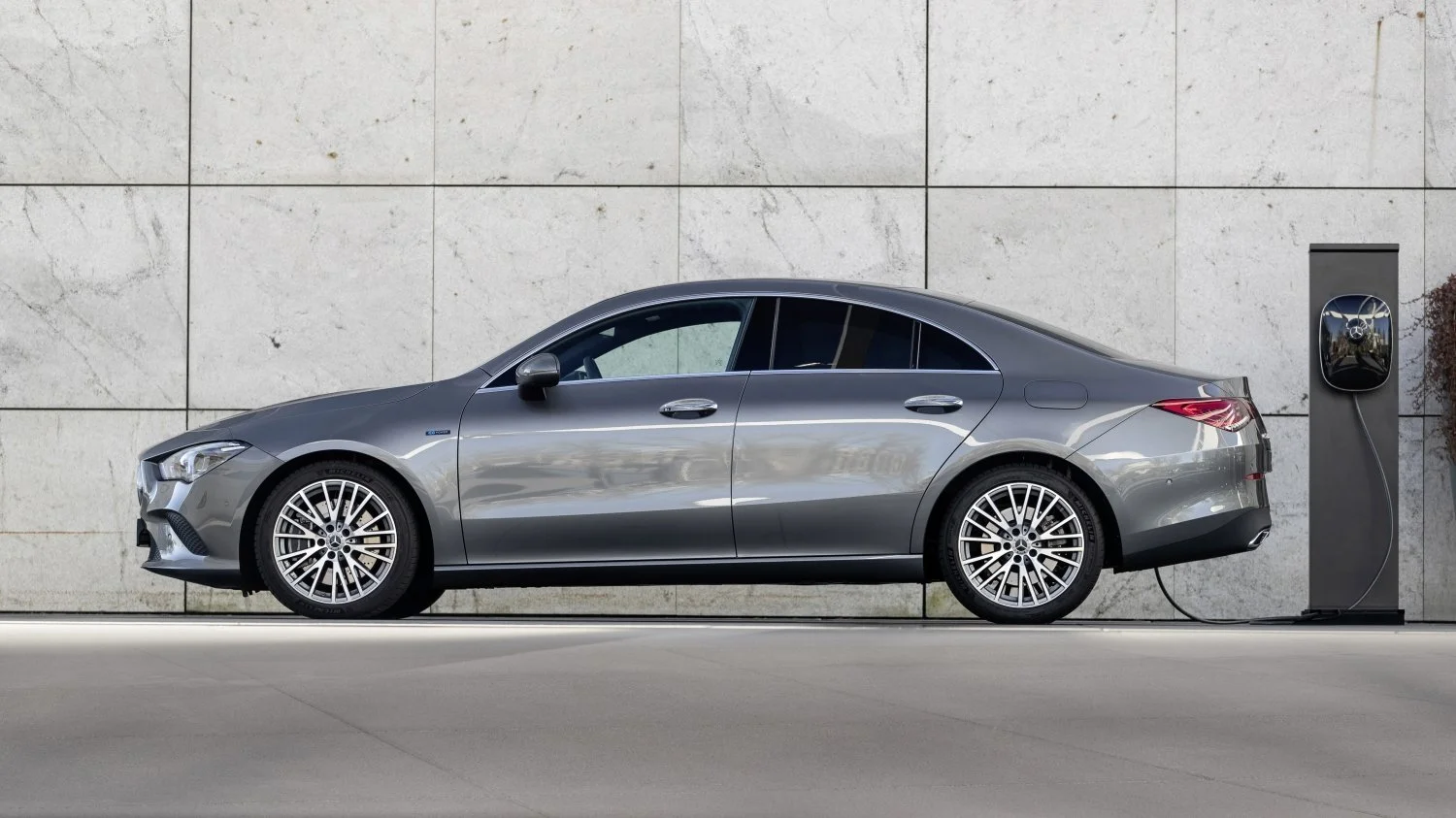
Source: Mercedes Benz Media
If you're responsible for employee benefits or fleet management, you've probably noticed that company car schemes have changed a lot over the past few years. The tax landscape has shifted to favour cleaner vehicles, and it has created great opportunities for businesses looking to improve their benefits package.
But here's the thing: navigating BiK tax rates, understanding HMRC rules, and working out what actually makes sense for your business can feel overwhelming. Should you offer only electric cars? What about employees who aren't quite ready for a full EV? And what do all these tax changes actually mean for your bottom line?
This guide answers all of those questions. We'll walk you through the 2026 company car tax, explain how the rules work in practice, and help you think through what approach might work best for your business and your team.
Understanding the 2026 BiK Tax Landscape
Let's start with the basics: Benefit in Kind (BiK) tax is what employees pay when they receive a company car for personal use. The amount they pay depends on three things: the car's list price (P11D value), its CO2 emissions, and the employee's income tax bracket.
The government sets BiK rates to encourage cleaner vehicles, which is why electric cars enjoy lower rates than petrol, diesel, or even hybrid alternatives.
What Are the Current BiK Rates?
Plug-in hybrids (1-50g CO2/km): 6-19% depending on electric range
Vehicles with over 130 miles of zero-emission range: 8%
70-129 miles: 10%
40-69 miles: 13%
30-39 miles: 15%
Under 30 miles: 17%
Rising to a flat 18% in 2028/29, then 19% in 2029/30
Petrol and diesel cars: 23-37% based on emissions
Rising to 38% in 2028/29, then 39% in 2029/30
Diesel vehicles without RDE2 standards face an additional 4% surcharge
PHEV BiK Rate Quick Reference: 2025/26 vs 2026/27 vs 2028/29
| Electric range | 2025/26 BiK | 2026/27 BiK | 2028/29 BiK |
|---|---|---|---|
| 130+ miles | 5% | 8% | 18% |
| 70–129 miles | 8% | 10% | 18% |
| 40–69 miles | 12% | 13% | 18% |
| 30–39 miles | 14% | 15% | 18% |
| Under 30 miles | 17% | 17% | 18% |
| Pure EV (for comparison) | 3% | 4% | 7% |
The 18% single band from April 2028 removes electric range as a tax variable for plug-in hybrids — every PHEV is taxed at the same rate regardless of how far it can travel on battery alone.
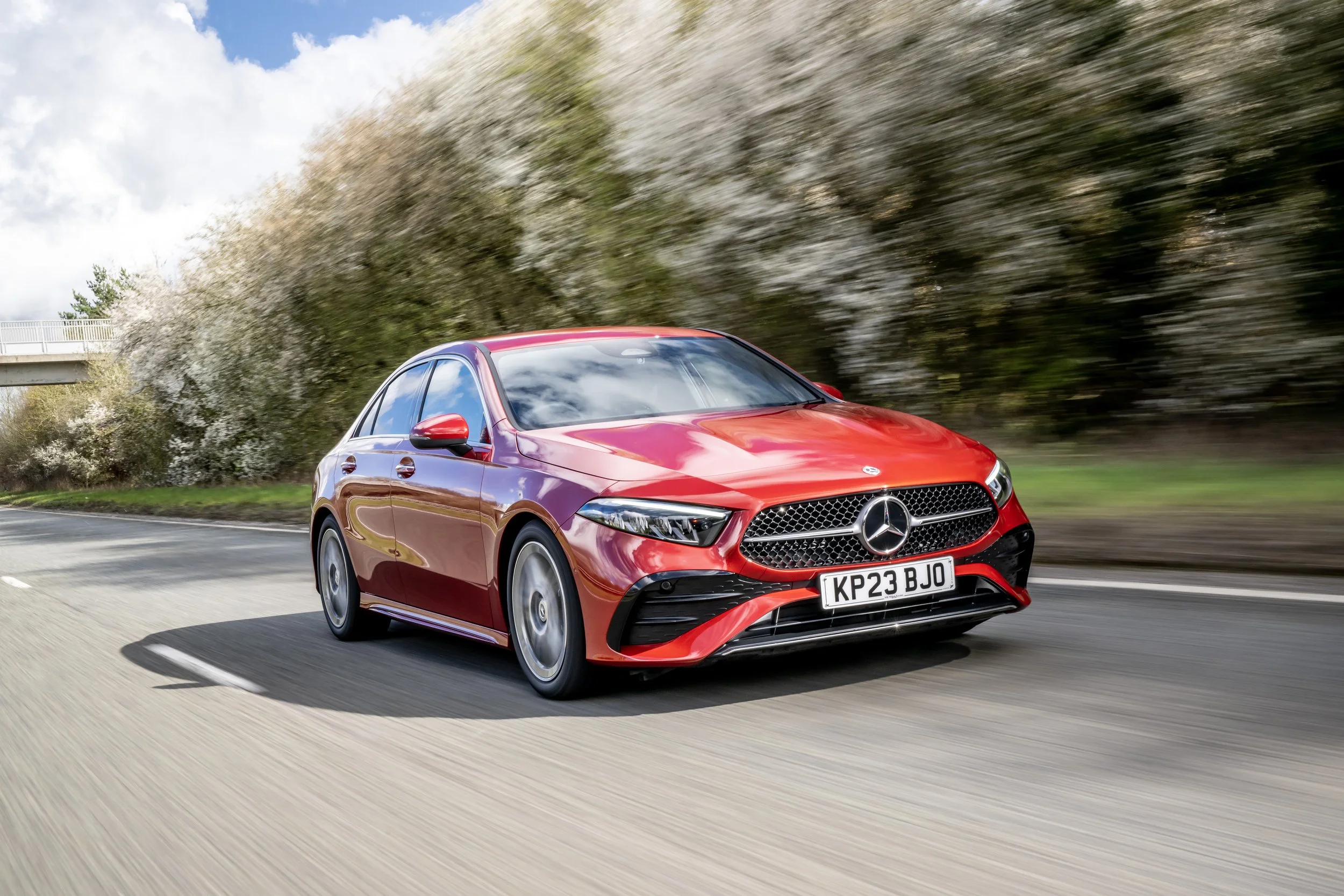
Source: Mercedes-Benz Media
Short PHEV worked example (40% taxpayer, 2026/27)
A Mercedes A 250e plug-in hybrid has an electric range of around 44 miles, which puts it in the 40–69 mile band — 13% BiK in 2026/27. With a P11D value of approximately £37,000, the calculation runs as £37,000 × 13% = £4,810 taxable benefit, taxed at 40% = £1,924 a year, or roughly £160 per month.
Are there tax or company car benefits for choosing a plug-in hybrid?
Yes. Plug-in hybrid vehicles in the UK benefit from significantly lower Benefit-in-Kind (BiK) tax rates compared to petrol and diesel cars. For 2025/26, PHEVs with 1-50g CO2/km emissions attract BiK rates of 6-19% depending on their electric range, whilst petrol and diesel vehicles face rates of 23-37%.
PHEVs also benefit from lower Vehicle Excise Duty (VED). Most plug-in hybrids fall into the £10-£195 annual VED bands, compared to higher rates for traditional combustion vehicles based on their CO2 emissions. When offered through a company car scheme or salary sacrifice scheme, these lower tax rates translate to substantial monthly savings - typically £150-£300 less per month in BiK tax compared to an equivalent petrol or diesel company car.
Why Does This Matter for Your Business?
These numbers translate into real money for your employees and real decisions for your business. Take two cars at similar price points: a Tesla Model Y (pure EV, 4% BiK in 2026/27) and a BMW 330e plug-in hybrid (electric range ~36 miles, 15% BiK band in 2026/27).

Source: Tesla
For a 40% taxpayer:
Tesla Model Y (P11D ~£46,000, 4% BiK): £46,000 × 4% × 40% = £736 a year, or roughly £61 per month.
BMW 330e (P11D ~£48,000, 15% BiK): £48,000 × 15% × 40% = £2,880 a year, or roughly £240 per month.
That's a difference of around £179 per month — nearly £2,150 a year — between a pure EV and a short-range PHEV at otherwise similar price points. Over a typical four-year contract, the Model Y saves the driver more than £8,500 in BiK tax compared to the 330e.
What's Happening Through 2028?
The government has given us clarity on rates through 2028 (and indications beyond that), which is helpful for planning. The key trend is that the gap between EV rates and everything else is narrowing, but it remains substantial.
This creates a planning window. Employees starting EV leases now lock in lower rates for their entire lease term (typically 3-4 years). As rates rise, the relative advantage of decisions made today becomes clearer.
When Hybrids Make Sense Over EVs in Company Car Schemes
While fully electric vehicles (EVs) offer the lowest Benefit-in-Kind (BiK) tax rates, plug-in hybrids (PHEVs) can still present a practical alternative in specific company car scenarios — particularly where infrastructure or employee needs limit the viability of EVs.
1. Limited Charging Infrastructure at Home or Work
For employees without access to reliable home or workplace charging - such as those living in flats, rural areas or properties without off-street parking - a plug-in hybrid ensures continued mobility without range anxiety. The internal combustion engine acts as a safety net while still allowing for low-emission commuting when charged.
2. Long or Unpredictable Commutes
Drivers with longer or variable travel distances, especially those outside urban centres, may find PHEVs more suitable than EVs with limited range. Many hybrids offer 20–50 miles of electric-only driving - enough for daily commutes - while switching to petrol or diesel for extended journeys.
3. Transitional Steps for Fleets
For organisations beginning the shift from petrol or diesel fleets, hybrids offer a phased transition toward zero-emission vehicles. They can help familiarise employees with charging routines and EV driving dynamics while maintaining flexibility.
4. Competitive BiK for Higher-Electric Range Models
Hybrids with electric ranges over 70 miles qualify for lower BiK tax bands (as low as 5%–8% in 2026/27), offering a middle ground between traditional combustion vehicles and full EVs.
Higher-rate taxpayers stand to gain the most from selecting low BiK vehicles. Plug-in hybrids with high electric ranges (70+ miles) attract significantly lower tax bands (around 5–8% from 2026), offering a cost-effective solution for those needing longer-range flexibility than some EVs currently provide.
2026/27 PHEV BiK Worked Examples by Electric Range
Five PHEV examples spanning the 2026/27 electric-range bands, each showing P11D value, electric range, BiK band, and monthly BiK cost for both basic-rate (20%) and higher-rate (40%) taxpayers. Figures are illustrative and rounded; actual P11D values vary by trim and options.

Source: BMW Press
BMW 330e M Sport — 30–39 mile band (15% BiK)
P11D: ~£48,000
Electric range: ~36 miles
20% taxpayer: £48,000 × 15% × 20% = £1,440 a year, or £120 per month
40% taxpayer: £48,000 × 15% × 40% = £2,880 a year, or £240 per month

Source: Mercedes-Benz Media
Mercedes A 250e — 40–69 mile band (13% BiK)
P11D: ~£37,000
Electric range: ~44 miles
20% taxpayer: £37,000 × 13% × 20% = £962 a year, or £80 per month
40% taxpayer: £37,000 × 13% × 40% = £1,924 a year, or £160 per month

Source: Volvocars
Volvo XC60 Recharge T6 — 40–69 mile band (13% BiK)
P11D: ~£59,000
Electric range: ~50 miles
20% taxpayer: £59,000 × 13% × 20% = £1,534 a year, or £128 per month
40% taxpayer: £59,000 × 13% × 40% = £3,068 a year, or £256 per month

Source: Landrover Media
Range Rover P440e — 70–129 mile band (10% BiK)
P11D: ~£105,000
Electric range: ~70 miles
20% taxpayer: £105,000 × 10% × 20% = £2,100 a year, or £175 per month
40% taxpayer: £105,000 × 10% × 40% = £4,200 a year, or £350 per month
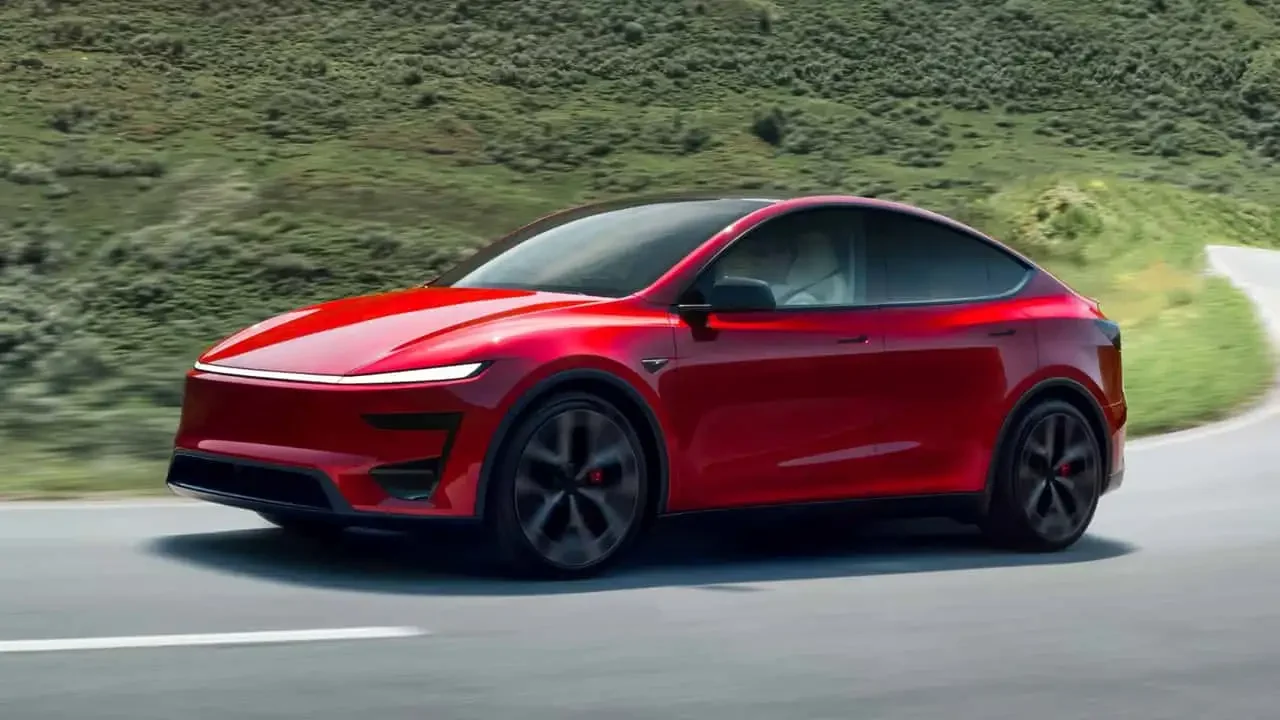
Source: Tesla
Tesla Model Y Long Range RWD (pure EV, for comparison) — 4% BiK
P11D: ~£46,000
20% taxpayer: £46,000 × 4% × 20% = £368 a year, or £31 per month
40% taxpayer: £46,000 × 4% × 40% = £736 a year, or £61 per month
The pattern is consistent: even the most efficient PHEV on this list — the Range Rover P440e at 10% — costs a 40% taxpayer almost six times the monthly BiK of a Tesla Model Y. From April 2028 the gap widens further as PHEVs all move to a flat 18%.
How HMRC OpRA Rules Affect Your Company Car Scheme
PHEVs over 75g CO₂/km don't get the ULEV OpRA exemption that EVs do, so the tax saving from running them through salary sacrifice is smaller than for a pure EV.
For the full mechanics of OpRA — including how it interacts with salary sacrifice cars — see our salary sacrifice car lease explainer.
Choosing Between PHEV and EV in Your Company Car Scheme
Approach Two: Mixed EV and Hybrid Options
Other businesses offer both electric and plug-in hybrid vehicles, giving employees a choice within the scheme.
Advantages:
Maximises employee participation and satisfaction
Accommodates diverse employee circumstances
Supports employees at different stages of readiness for EVs
Still delivers significant tax savings versus petrol/diesel
Considerations:
Slightly more complex administration
Need to communicate tax differences clearly
Requires a balanced presentation to avoid showing a preference
This works well for:
Businesses with teams across the country
Companies prioritising employee choice and satisfaction
Organisations with employees in varied housing situations
Businesses taking a pragmatic approach to sustainability

Source: Shutterstock
Approach Three: Strategic Transition Planning
Some businesses are implementing phased approaches, starting with employees who are EV-ready, then expanding access as infrastructure and awareness develop.
This might look like:
Year one: Pilot with 20-30 employees (EV-focused)
Year two: Open scheme to all employees (EV and hybrid options)
Year three: Full scheme with enhanced charging support
Year four: Evaluate moving to EV-only based on uptake and feedback
What Role Does Employee Choice Play?
Here's something worth thinking about: employee benefits work best when employees actually want them. The most tax-efficient option isn't valuable if it doesn't meet your team's practical needs.
Modern salary sacrifice providers support both EVs and plug-in hybrids because employees' circumstances vary. Someone with off-street parking and a home charger has different needs than someone in a flat without charging access. Both employees deserve to benefit from lower company car tax rates.
Your role as an employer isn't to mandate vehicle type; it's to provide access to tax-efficient options and let employees make informed choices.
What This Really Costs (And Saves) Your Business
Let's talk about what matters to your finance team: the actual numbers.
Your Direct Costs as an Employer
With a properly structured salary sacrifice scheme, your direct costs are minimal or zero:
What you pay:
The monthly lease cost to the leasing company
Class 1A Employer National Insurance on the BiK value (15%)
What you save:
Class 1 Employer National Insurance on the sacrificed salary (15%)
VAT recovery on qualifying elements (50% on vehicle lease, 100% on maintenance)
When your provider fees are structured to match your tax savings, the scheme runs at net zero cost.
The Broader Business Case
Beyond the direct cost neutrality, company car schemes deliver value in other ways:
Employee retention and recruitment: Employees save thousands over a typical lease term. That's a substantial benefit that costs your business nothing while making employees feel genuinely valued.
Sustainability credentials: Every electric car your employees drive directly reduces your Scope 3 emissions. You can quantify this impact in your ESG reporting.
Administrative efficiency: One employee benefit, managed by your provider, replaces multiple employee requests for car allowances, mileage claims, or other vehicle-related benefits.
What About Corporation Tax?
The lease payments are allowable business expenses, reducing your corporation tax liability. The exact impact depends on your company's tax position, but this typically provides an additional benefit of around 19-25% of the lease cost.
Helping Your Employees Understand Their Options
Here's something that often gets overlooked: the best scheme design in the world doesn't work if your employees don't understand it or feel comfortable using it.
Common Employee Concern
Through working with hundreds of businesses at The Electric Car Scheme, we've learned that employees typically have a few key concerns:
"What if I can't charge at home?"
This is a genuine consideration. If your scheme includes plug-in hybrids, employees without home charging can still participate and benefit from lower tax rates. For EV-only schemes, you might consider:
Make it stand out
Public charging guidance and support
Salary sacrifice for public charging costs
Workplace charging installation
Clear communication about the growing charging network
"What if my circumstances change?"
This is about job security and life changes. Employees need to understand:
What happens if they leave your company
How redundancy is handled
Protection for maternity/paternity leave
Options if they're off sick long-term
Salary sacrifice schemes usually include comprehensive protection covering these scenarios, but employees need to know this upfront.
"Electric cars are expensive… can I really afford this?"
This is where the numbers tell your story. Use real examples and invite employees to use The Electric Car Scheme's personalised quote tool, where they can input their salary, desired lease terms, and see what cars are available to them! The quote tool gives a clear breakdown of how the salary sacrifice savings are calculated, making this easy to understand from the beginning.
Clear Communication Strategies
Announce the Benefit
By leading with tangible savings and everyday convenience, you immediately show the value before explaining how salary sacrifice works.
Educate and Engage
Keep your team informed through short, accessible sessions - think lunchtime webinars or quick team presentations. Cover the essentials:
How salary sacrifice works in straightforward language
Real-world savings examples across different salary levels and car models
Practical advice on charging at home and on the road
The protections in place, including early termination cover
Always finish with a live Q&A. This gives employees the chance to ask questions and feel reassured about any concerns. At The Electric Car Scheme, we manage this for you, regularly hosting webinars, giving your employees to answer the questions important to them!

Source: Shutterstock
Ongoing Support
Make information easy to find. Share clear resources that help employees:
Calculate their personal savings
Understand the journey from getting a quote to collecting their car
Know exactly who to contact with questions
Supporting Different Comfort Levels
Not everyone will sign up straight away, and that's completely normal. Some employees will be ready to go immediately, whilst others may want time to research or wait until their current car needs replacing. Your role is simply to make the option clear and accessible, not to pressure anyone into participating.
Often, early adopters become your best advocates. When colleagues share their positive experiences, it naturally encourages wider engagement across the business.
Implementation Roadmap
Phase 1: Foundation (Weeks 1–4)
Choose your provider: Look for comprehensive protection, access to multiple leasing companies, and full administrative support. If you choose The Electric Car Scheme as your salary sacrifice provider, we handle the heavy lifting for you - from payroll integration to employee onboarding and communication materials.
Define your policy: Decide whether to include plug-in hybrids, set eligibility criteria, and establish approval processes.
Set up administration: Integrate payroll systems, create the employee portal, and train HR on frequently asked questions.
Phase 2: Launch (Weeks 5–8)
Announce the benefit through a senior leadership email with a direct link to your quote calculator.
Run educational sessions, share real examples of savings, and address common concerns openly.
Begin processing applications - your provider manages credit checks, orders, and payroll adjustments.
Phase 3: Ongoing Management (Month 3+
Process monthly payroll files and annual P11Ds (typically takes just 5–10 minutes).
Monitor participation, gather employee feedback, and refresh materials as needed.
Add enhancements like workplace charging as uptake grows across your team.
Measuring Success
Make sure to track the metrics that matter:
Participation: Expect 5–15% in year one, rising to 15–30% by year three
Employee satisfaction: Gather feedback through surveys and Net Promoter Scores
Impact: Monitor emissions reduction, retention improvements, and cost neutrality
What Makes a Scheme Work
Complete Employer Protection: Covers redundancy, resignation, sickness, parental leave, and more - eliminating early termination costs for your business.
Simple Administration: Payroll-ready files and pre-filled HMRC forms keep admin time to a minimum.
Competitive Pricing: Access to multiple leasing partners ensures employees get the best available rates on the market.
Dedicated Support: Employees receive expert guidance on choosing cars, setting up charging, and understanding the scheme, keeping HR involvement minimal.
Making Your Decision
A company car scheme in 2025 offers a genuine win-win: employees save thousands on their next car, and your business delivers a cost-neutral, sustainable benefit. With EV Benefit-in-Kind tax at just 4% for 2026/27, now is the time for employers to lock in competitive rates before they rise further.
Next steps:
Visit our employer page
Try our quote tool to calculate real savings
Learn about Complete Employer Protection
Book a call with our team to discuss your company's setup
When you partner with The Electric Car Scheme, implementation is straightforward. We handle the setup, compliance, and communication, so you can focus on delivering a benefit your employees will appreciate!Volvo XC60 Recharge T6
Are you an employer?
BOOK A DEMOAre you an employee?
SEE AVAILABLE CARSECS GUIDES AND ADVICE
Ready to Go Electric? Your Guides and Tools to a Smooth Switch
-
 How the Scheme Works
Find out how salary sacrifice can work for you or your business.
-
 The Charge Scheme
Save 20-50% on all charging costs through salary sacrifice - at home, the office, or in public..
-
 Complete Employer Protection
All employers and drivers are protected from day 1.
-
 Used Electric Cars
Discover the most affordable way to drive electric. Cars delivered in 14 days.
You might also like…



Last updated: 05/05/2026
Our pricing is based on data collected from The Electric Car Scheme quote tool. All final pricing is inclusive of VAT. All prices above are based on the following lease terms; 10,000 miles pa, 36 months, and are inclusive of Maintenance and Breakdown Cover. The Electric Car Scheme’s terms and conditions apply. All deals are subject to credit approval and availability. All deals are subject to excess mileage and damage charges. Prices are calculated based on the following tax saving assumptions; England & Wales, 40% tax rate. The above prices were calculated using a flat payment profile. The Electric Car Scheme Limited provides services for the administration of your salary sacrifice employee benefits. The Electric Car Scheme Holdings Limited is a member of the BVRLA (10608), is authorised and regulated by the FCA under FRN 968270, is an Appointed Representative of Marshall Management Services Ltd under FRN 667174, and is a credit broker and not a lender or insurance provider.
Copyright and Image Usage: All images used on this website are either licensed for commercial use or used with express permission from the copyright holders, in compliance with UK and EU copyright law. We are committed to respecting intellectual property rights and maintaining full compliance with applicable regulations. If you have any questions or concerns regarding image usage or copyright matters, please contact us at marketing@electriccarscheme.com and we will address them promptly.
